Giving & Impact
Why Donating to an NGO in India Is One of the Most Impactful Things You Can Do
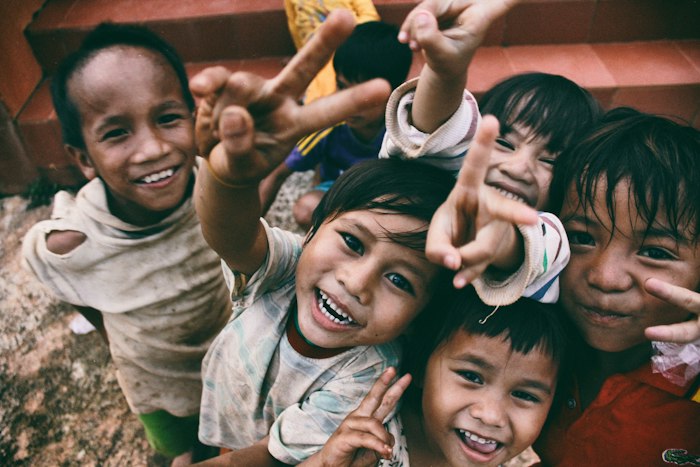
India has one of the world's largest volunteer and donor bases — yet the gap between need and support remains vast. Here's why individual donations still matter enormously, and where the impact is most felt.
India is home to over 3.3 million NGOs — more than any other country — yet funding for grassroots work remains critically thin. Most registered nonprofits operate on shoestring budgets, relying on a small circle of committed donors to keep programmes alive.
Where the need is greatest
The data is stark. According to NFHS-5, 35.5% of children under five in India are stunted due to malnutrition. Over 6 crore children are out of school or at serious risk of dropping out. Nearly 25% of rural households still lack access to safe drinking water within their premises. These are not abstract statistics. Behind each number is a family navigating a crisis that a targeted donation — even a modest one — can meaningfully address.
Why individual donations matter
Corporate CSR and government schemes, while significant, are slow-moving and often tied to reporting requirements that exclude the smallest, most remote communities. Individual donors fill this gap. They can respond quickly, fund unconventional approaches, and support organisations that are too small for large institutional grants. A recurring donation of ₹500 a month from a salaried professional is ₹6,000 a year — enough to cover a child's school supplies, mid-day meals, and basic health check-ups for an entire academic year in many parts of rural India.
Trust and accountability
The most common reason people hold back from donating is the fear of misuse. This is a valid concern. The answer is to give to organisations that publish audited financial statements, hold 80G and 12A registrations, and can show you direct evidence of their work. Transparency is not a bonus — it is the baseline.
Starting small is fine
You do not need to give large amounts to make a difference. Consistent, small donations from many people build the financial stability that allows an NGO to plan ahead, retain staff, and go deeper into communities rather than chasing the next grant cycle. If you have never donated before, start with one month. See the impact. Build from there.