Volunteering
How to Volunteer Meaningfully in India Without Doing More Harm Than Good
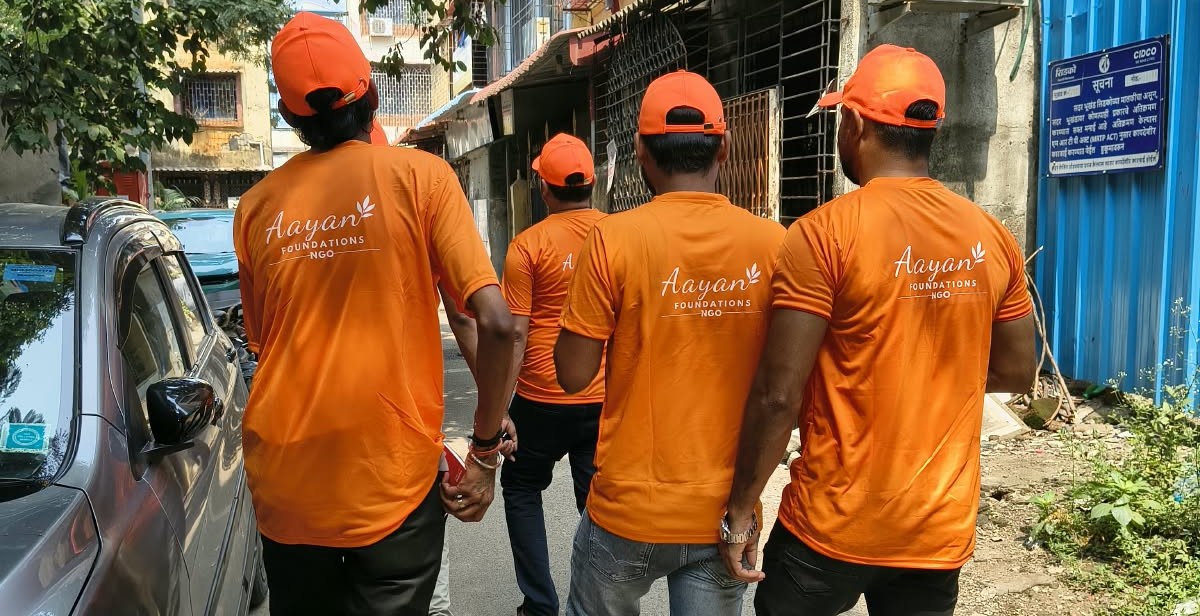
Volunteering with an NGO can be one of the most rewarding things you do — or one of the most disruptive, if done without thought. Here is how to make sure your time genuinely helps.
The impulse to volunteer — to give your time, energy, and skills to a cause larger than yourself — is one of the best things about human nature. But volunteering, done carelessly, can create problems rather than solve them.
The "voluntourism" problem
A pattern called voluntourism has drawn sharp criticism from development practitioners. It typically involves short-term visitors arriving at a community, doing visible but unskilled work, and leaving after a weekend or a week. The problems are well documented: unskilled work by outsiders displaces paid local labour, short stints create no lasting knowledge transfer, and children can be harmed by repeated attachment and loss cycles with rotating volunteers.
What genuinely useful volunteering looks like
The most valuable volunteers bring a specific skill the organisation lacks and commit to enough time to actually transfer it. Examples: a chartered accountant helping an NGO set up proper bookkeeping, a doctor conducting a health camp in coordination with a local clinic, a software developer building a tool the team will actually use, or a teacher training local community educators rather than directly teaching children. In each case, the contribution outlasts the presence.
Questions to ask before signing up
Before committing, ask: What specific skill or role do you need from me? How long a commitment is actually useful? Will I be working alongside local staff, or replacing them? What has happened to past volunteers' contributions — are they still in use? Is there a proper onboarding process? An NGO that cannot answer these questions clearly may not have thought carefully about how to use volunteers well.
Remote and skill-based volunteering
Not all volunteering requires physical presence. Many NGOs urgently need help with grant writing, website development, data analysis, legal compliance, and photography. These contributions can often be made remotely and on a flexible schedule, making it possible for working professionals to contribute meaningfully without taking leave.