Community
Community-Led Development: Why Locals Know Best and How You Can Support It
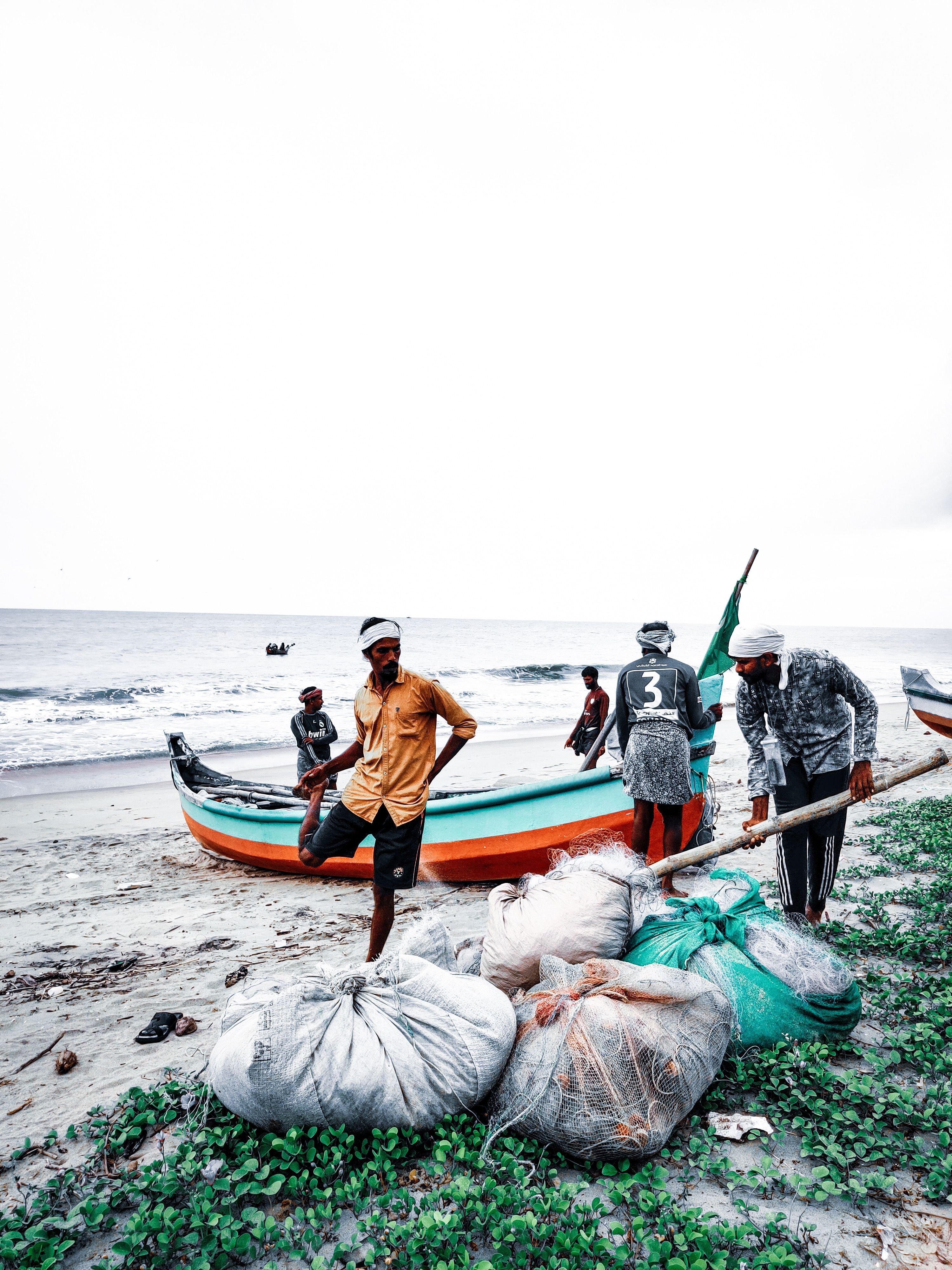
Decades of development work across India have taught one consistent lesson: programmes designed with communities — not just for them — last longer, go deeper, and cost less per outcome.
The history of social development in India is littered with well-funded programmes that underdelivered — not because of corruption or incompetence alone, but because they were designed far from the communities they were meant to serve.
The problem with top-down aid
When outsiders — whether government agencies, large NGOs, or international bodies — design interventions without meaningful community input, they routinely miss the mark. They build toilets that go unused because the design did not account for local customs. They run training programmes at times when women cannot attend because of household responsibilities. They distribute equipment that cannot be maintained locally. This is not a criticism of intent. It is a structural problem.
What community-led development looks like
Community-led development starts by listening. It involves local leaders, women's self-help groups, school teachers, and village elders in defining the problem before anyone proposes a solution. It hires locally wherever possible, so that economic benefit stays within the community. It measures success not just in outputs but in sustained outcomes — is the well still functioning in three years? Did those children complete school?
The role of the urban donor
If you live in a city and donate to a rural-focused NGO, your role is essentially to fund the conditions for communities to solve their own problems. You are not the expert. The people on the ground are. The best NGOs act as facilitators and resource providers, not saviours. This means asking your NGO: how much of your programme design involved the community? How many of your staff are from the communities you serve?
How to identify a genuine community-centred NGO
They can name the villages and communities they work in specifically. They publish field-level data, not just aggregated numbers. They talk about failures as openly as successes. Local community members can describe the NGO's work in their own words. Staff turnover is low, indicating genuine relationships on the ground. Supporting organisations that work this way is the most efficient use of a donation rupee.